Short, science-backed tips to help you stay strong, active, and pain-free—sent right to your inbox. Trusted by 450,000+ on YouTube.
Read This If You Want To Stay Independent After 60
|
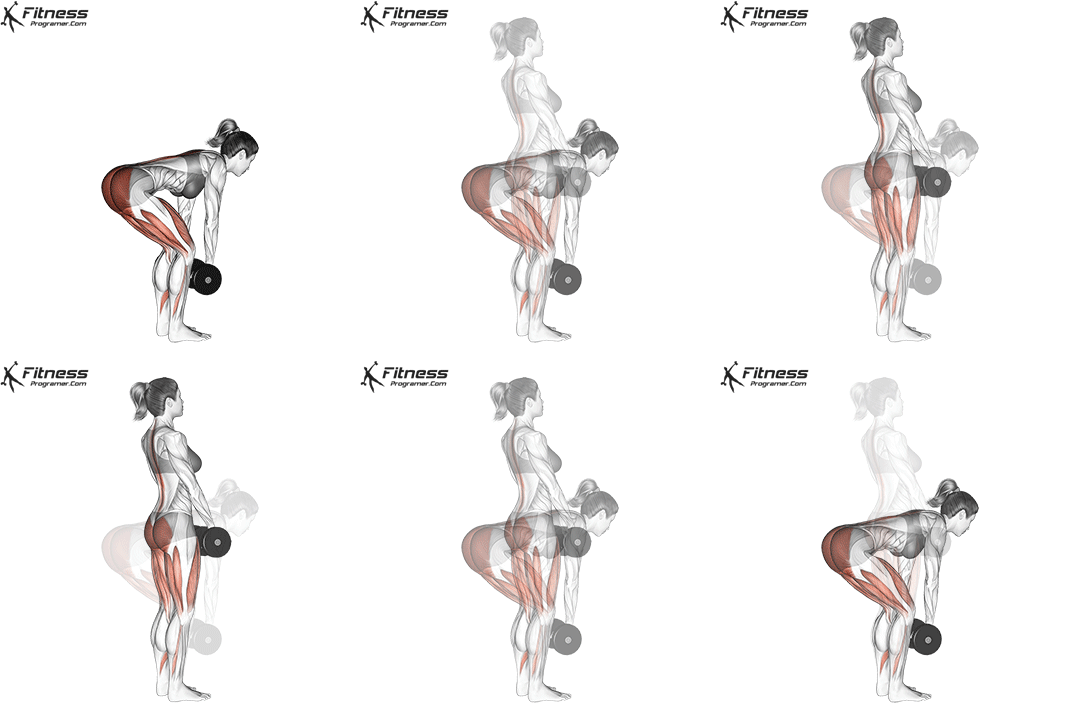
Hi Reader 👋! I expected John to be weak, slow, and unsteady. I couldn't have been more wrong. In my first year as a physiotherapist, I met an 82-year-old patient named John who had just undergone a hip replacement. When I called his name in the waiting room, he practically sprang out of his chair. No cane. He walked into the treatment room faster than I did. I was stunned! Later in the session I finally asked him: "John, what's your secret?" His answer was surprisingly simple. "I started strength training in my twenties..." But here's the thing... he never stopped. Suddenly, everything made sense. His balance was incredible. John taught me something I've never forgotten: Many of the things we blame on aging are actually the result of gradually losing physical capacity. The good news is that those capacities can often be rebuilt at any age. Today, I want to share the 7 most important ones. #1 - The Ability to Pick Things Up SafelyWhether it's laundry, groceries, gardening, or a grandchild, life requires lifting. That's why I love the hip hinge (deadlift) pattern. It strengthens the glutes, hamstrings, and back muscles that help you move through life with confidence.
Try this: Start with a bodyweight hip hinge → progress to dumbbells → eventually heavier weights if appropriate. #2 - The Ability to PullPulling open doors. Carrying bags. Improving posture. Reducing strain on the neck and shoulders. Rows are one of the best ways to build this often-overlooked strength.
Try this: Resistance band rows (standing) → dumbbell rows (bent-over) → heavier bent-over rows. #3 - The Ability to Stand UpFrom a chair. From the toilet. From the floor. The squat pattern develops the leg strength and power needed for everyday independence. Try this: Sit-to-stands from a chair → bodyweight squats → weighted squats. #4 - The Ability to Keep GoingMany people focus on strength and ignore endurance (I did for many years 🙋♂️) That's a mistake. Regular walking, cycling, swimming, or other forms of cardio help you travel, hike, shop, and enjoy life without running out of energy. Try this: 10-minute brisk walks after a meal→ 30-minute brisk walks, 3-5x per week → add short hills or high-intensity intervals to raise your cardio fitness ceiling #5 - The Ability to PushWhether you're pushing a heavy door or helping yourself up from the floor, pushing strength matters. Push-up variations are one of the simplest ways to maintain it. Try this: Wall push-ups → counter push-ups → floor push-ups. #6 - The Ability to Get Up and Down From the FloorThis might be the most underrated movement skill of all. Spend time on the floor. Stretch. Sit. Play with grandkids. Practice getting down and getting back up. Your future self will thank you. Try this: Sit on the floor daily → practice getting up with support → gradually use less support. #7 - The Ability to Stay BalancedFalls are one of the biggest threats to independence as we age. A few minutes of balance training each week can make a tremendous difference. Try this: Supported single-leg stance → unsupported single-leg stance → single-leg stance + arm or leg movements (see progressions below) The Bottom LineYou don't need to spend hours in the gym. You don't need the perfect workout. You simply need to maintain the capacities that life demands. Pick one or two of the areas above and start there. Small actions, repeated consistently, have a way of compounding over the years. John understood that. And at 82, it showed! Onwards and upwards 🚀 - Shrey P.S. If you'd like a simple, step-by-step strength program designed specifically for adults over 50, check out Strong Legs 60.
|



Shrey Vazir - Physiotherapist for Over-50s
Short, science-backed tips to help you stay strong, active, and pain-free—sent right to your inbox. Trusted by 450,000+ on YouTube.
Forwarded this email? Join 26,000+ other readers here. Hi Reader 👋! First off, Happy New Year! 🥳I wish you & your family nothing but the best for 2026! -Shrey Okay back to the newsletter 👇 There’s one big mistake I see over and over again in my patients—and it keeps them stuck in a cycle of weakness, immobility, and pain. Six months ago, I was working with a patient named Jane. After our first session, she was doing fantastic. Her back pain was slowly resolving. She was walking three times...